
Antelope Woman

Another novel by Louise Erdrich has completely taken over my brain space.
Erdrich writes families the way memory works, nonlinear, inherited and unfinished.
In The Antelope Woman, generations fold into one another, tragedies echo across centuries and bloodlines carry stories long after the original grief has faded into legend.
One passage stopped me cold:
She howled and scratched herself half blind and at last so viciously took leave of her mind that the old ones got together and decided to change her name.
It hits with a particular force for any mother who has lost a child, literally or figuratively; the loss of who a child was, the loss of who we were before motherhood reshaped us, the quiet madness grief can bring and the communal recognition that sometimes survival requires becoming someone new.
Erdrich understands that identity is not fixed. Names change. Roles fracture. Women endure.
Then there is Klaus, offering the kind of wisdom that feels almost like a whispered correction to modern life:
The lack of trying is what makes them lovely. We all try too hard. Striving wears down our edges, dulls the best of us.
It lands like permission. A reminder that beauty and belonging often live in effortlessness, in allowing life to unfold rather than forcing it into perfection. Reading this felt like being told to loosen my grip on becoming and simply be.
And Rozin’s philosophy lingers long after the final page:
As salt is to food, so lying is to experience.
Not deception for harm, but embellishment as survival, the human instinct to heighten life, to color the hours, to sprinkle meaning onto ordinary days so they feel worthy of remembering. Storytelling itself becomes nourishment.
That is what Erdrich does so masterfully. She seasons reality. She honors how families mythologize themselves in order to live with what has been lost.
The Antelope Woman is not a tidy narrative. It moves like ancestry, looping, spiritual, sometimes disorienting, always intimate. You don’t simply follow characters; you inherit them.
This is a novel about mothers and daughters, lovers and ghosts, survival and reinvention. About how grief travels through bloodlines and how love does too.
Erdrich doesn’t just tell stories.
She shows us that we are stories, carried forward, renamed when necessary, still learning how to belong to ourselves.
And once again, she has left me thinking about family long after closing the book , the visible relatives around us and the invisible ones living quietly inside our bones.
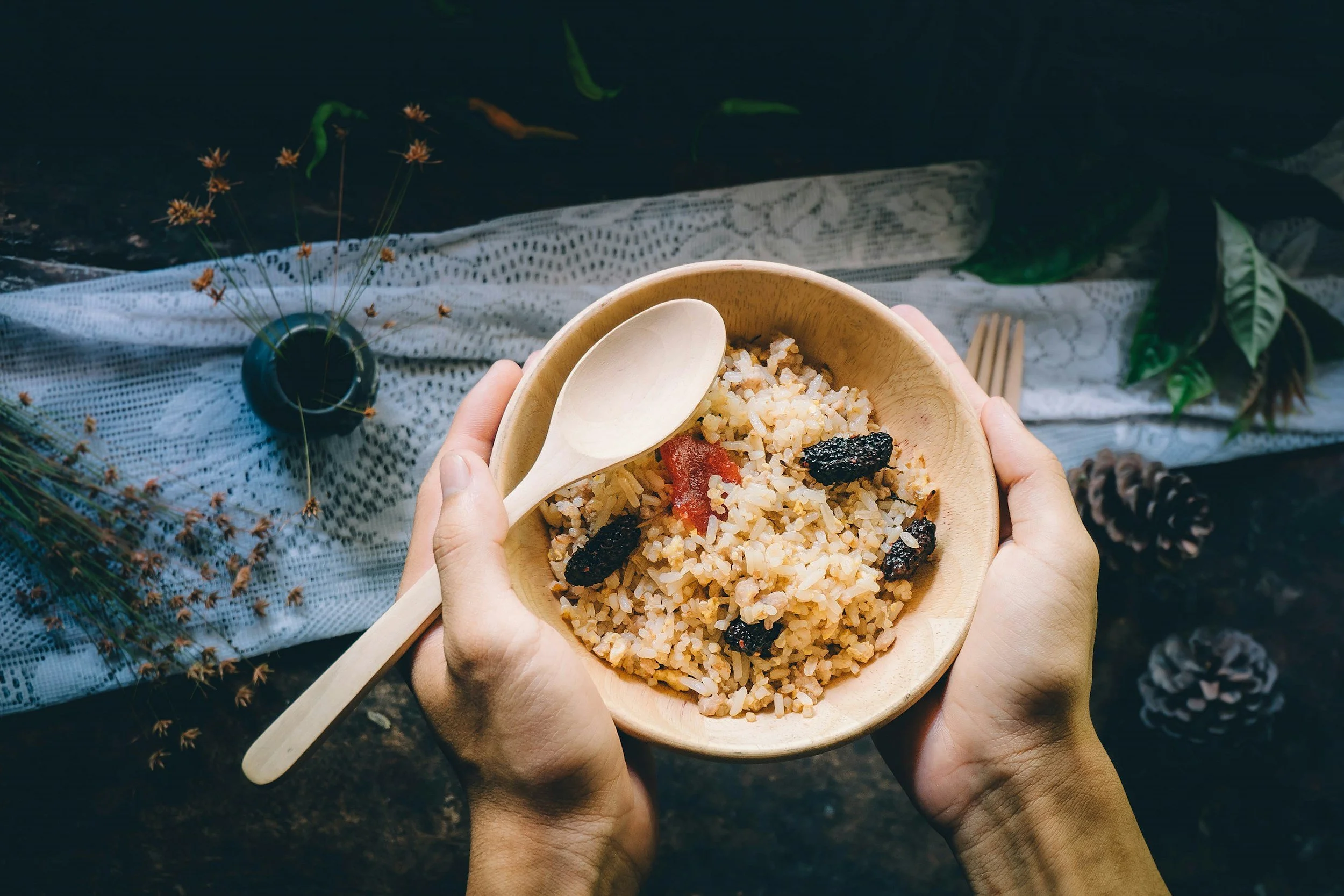
Manoomin
Traditional Wild Rice with Berries & Maple
Food of the lakes, the ancestors, and long memory.
Wild rice is not actually rice.
It is a sacred aquatic grass native to the Great Lakes region and central to Anishinaabe identity, migration stories, and survival. Preparing it slowly honors the same themes found in The Antelope Wife: lineage, loss, and endurance.
Ingredients
(Simple. Seasonal. Respectful.)
1 cup true wild rice (manoomin)
3 cups water
Pinch natural salt
1 tbsp maple syrup (traditional sweetener)
½ cup dried cranberries or fresh berries
¼ cup toasted walnuts or sunflower seeds
Optional: roasted squash cubes
Instructions
1. Rinse the Rice
Rinse gently — traditional wild rice is hand-harvested and should be treated with care.
2. Simmer Slowly
Bring water to a boil. Add rice and reduce heat.
Simmer uncovered 40–50 minutes until grains open and curl.
The rice tells you when it’s ready.
3. Rest
Drain any remaining water and let sit covered for 10 minutes.
This step deepens flavor and texture.
4. Finish
Stir in maple syrup, berries, and nuts.
Add roasted squash if desired.
Serve warm.
Cultural Notes
Manoomin means “the good berry.”
It is traditionally harvested by canoe, gently knocked into boats so the plant continues growing.
Indigenous cooking centers relationship — to land, season, and community — rather than strict recipes.
This dish reflects nourishment rather than performance.
No excess seasoning.
Nothing forced.
Just food that has sustained generations.